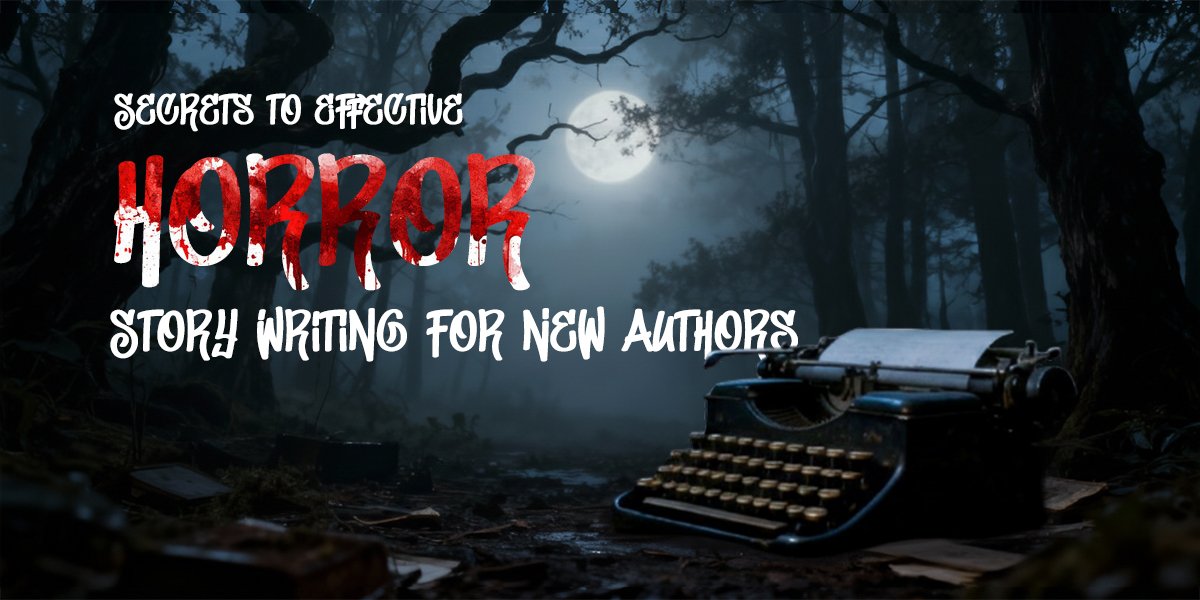
Do you think that horror story writing only revolves around blood and ghosts? Most people think this way. But that’s not true. Horror storytelling is all about creating a feel, a mix of fear, tension, and curiosity. The real fun and the power of a horror story is what’s hidden in the story, not what’s shown. A reader stays curious about what’s happening and what’s next.
Let’s read the whole post about what the secrets behind a good horror story are, and how you (as a new author) can master this art, to make your readers scared just the right way.
What Makes a Story Scary?
Horry story does not mean that your story should depend on loud scares. No, the real fear begins when things seem real. Think and feel before writing a scene. Think about what actually makes you scared:
- A sound in the dark?
- Footsteps when you’re alone?
- Or a sudden chill at night?
You must add small fears that make a story believable yet haunting.
Remember, as a writer, it’s your win if your reader feels curious enough to keep reading while being nervous and feeling uneasy. If you add too much or too little horror, it could lose its effect. Here, the key is balance.
How to Write Horror Stories?
Horror writing is an art, and every art requires experience and techniques. Here we’re sharing some handy tips for writing horror stories that will help you become a horror story writer.
Build the Right Atmosphere
Horror fiction writing is completely based on the atmosphere. It’s everything. So before you start writing, imagine the setting or work on building horror atmosphere. See, are you going to take a quiet place like a town, a lonely cabin, or an empty hospital? The place should be like something that makes readers uncomfortable even before anything scary happens.
See a few quick ways to build feel:
- Use sensory words to describe what the character can hear, smell, or feel.
- Add pauses in some places, as it makes readers expect something.
- Keep scenes dim and foggy to build tension.
By doing these things the right way, you can make your readers start imagining the fear before the monster or the specific creature even shows up.
Create Characters Readers Can Feel For
Even in horror, emotion matters. People must care about your characters before they care about what happens to them. Many scary story authors say that strong characters make the fear hit harder.
Give your characters real flaws. They could be too curious or too stubborn. Every scream and every stillness feels more real when readers can relate to them.
This way, you can make your horror character development game strong. You create people who act naturally even when things become terrifying.
Keep the Suspense Alive
You can’t fascinate your readers without a balanced suspense in horror story. It’s one of the most important horror storytelling elements. So, never reveal the danger too early. Let your readers guess. Use short sentences during tense moments and longer or normal ones when normal scenes are happening.
Take it like a roller coaster. Slow climb. Sudden drop. Then a moment to breathe. Using this rhythm, you can keep the story alive. The best thing is that the best horror story writing techniques often rely on what’s not said.
Here’s a simple trick:
- Show strange signs before anything scary happens (a shadow, a whisper).
- Let readers question what’s real.
- Reveal answers slowly.
Common Mistakes Beginners Make
New authors sometimes confuse horror with gore. Horror isn’t about how much blood is on the floor; it’s about fear that crawls under the skin.
Here are a few things to avoid:
- Explaining the monster too soon.
- Forgetting the story’s logic.
- Overusing shock value.
- Making every scene intense. Give readers time to breathe.
By fixing these, your story will feel more real and less like a movie script.
How to Let Fear Grow Naturally in Horror Writing
The best horror stories take their time. Think of it like planting seeds. fear grows slowly until it takes over everything. This part of the horror writing process is what separates average stories from unforgettable ones.
You don’t have to jump to the horror right away. A simple dinner scene can turn into something terrifying if written with the right tone. Build slowly. Keep readers waiting.
Ideas That Spark Horror Stories
Many authors get stuck thinking all horror stories must have ghosts or killers. But fear can come from anywhere. If you’re short on horror story writing ideas, try starting with everyday fears.
- A child who talks to someone invisible.
- A phone that rings only at 3 a.m.
- A letter from someone who’s been dead for years.
- A mirror that doesn’t show your reflection.
Simple ideas like these can turn into chilling stories when written with emotion and timing.
Structure Your Story the Right Way
Every horror story should have a clear beginning, middle, and end. Readers must sense that something’s coming. The horror story structure works best when:
- The opening feels normal.
- The middle raises questions.
- The ending leaves a mark, either shock, sadness, or a twist.
Many horror story writing for beginners guides recommend outlining scenes before writing. It helps keep the tension balanced across the story.
Practice and Learn From Others
If you are serious about writing improvement, keep reading. Reading articles and insights can also help you improve your horror fiction writing. Notice different aspects, like how other authors handle description and dialogue. It doesn’t mean you should copy others. Just learn what really works.
Thinking about taking a horror story writing course online? Yes, you can. But remember, you can learn more by reading and rewriting your own work. And keep in mind that fear is a feeling, not a formula to apply.
Get in touch with us to learn when the next course opens for enrollment.
Final Words – Advice for New Writers
The best advice on how to write a horror storybook? Trust your fear. If your written scenes scare you, there are more chances that they will scare your readers too. So, don’t focus on the trends. Just write what you feel.
Want to master horror story writing? Write daily. Read different horror story authors, and don’t even hesitate to rewrite. It’s better to write than to just have a fear of failing.
If you want to see these horror story writing tips in action, read a wonderful book, “Angel of Death” by Mark Hammond. This story will show you how feelings, fear and suspense in writing can work together perfectly.
FAQs
1. What is the key to writing a good horror story?
The key is emotion. Make readers feel something deep—fear, curiosity, or empathy. Horror works best when readers believe it could happen.
2. How do I make my horror story original?
Avoid overused ideas. Start with human fears like loss or loneliness, then twist them. Readers connect more with emotions than monsters.
3. Should horror stories always have a twist ending?
Not always. A twist can be great, but a chilling or open ending works too. The goal is to leave readers thinking after they finish.
4. Is it necessary to describe violence in detail?
No. Too much detail can ruin suspense. Focus on how characters feel instead of what they see. Fear grows better in the mind.