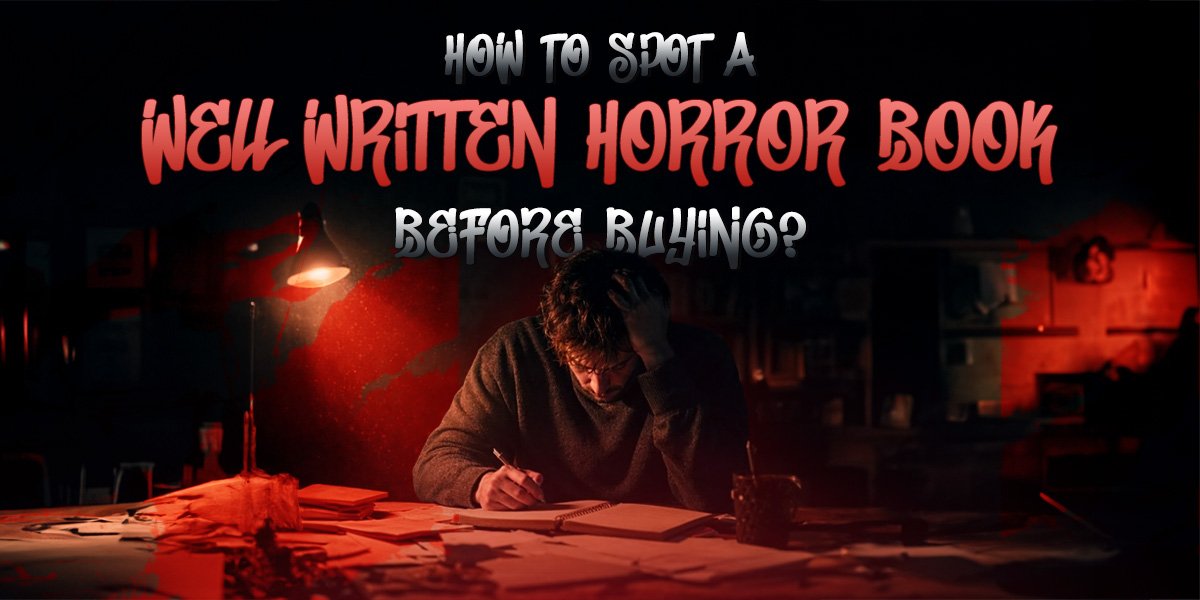
A well-written horror book is more than just a scary story.It features believable characters, shows an atmosphere that readers genuinely feel unsettling, and leverages moving to the scary moments slowly rather than rushing toward them. Quality horror novels combine emotional depth with suspense.That is what makes only a few stories truly memorable.Readers forget many stories within a week, but keep these stories in mind for years.
According to a recent Library Journal report, horror fiction continues to grow as readers increasingly seek stories that balance fear with genuine human emotion.
Some horror books grab you immediately and then leave nothing behind. You finish them, put them down, and a week later you can barely remember the main character’s name. Then there’s the other kind. The kind that gets under your skin slowly, without you noticing it happening. Those are the ones people mention years later when someone asks for a recommendation.
So, what actually separates a good horror story book from the one that people forget immediately?
Why the Story Matters Before the Scary Parts Appear
Some books come out swinging. Strange figure in the opening paragraph. Someone missing by page three. Blood before you’ve had a chance to care about anyone.
That works for a chapter, maybe two.
Then the energy drains because nothing underneath is holding the story together. You’re watching events happen to people you don’t know and don’t actually care about.
But, a well-written horror book takes a different approach. It leaves you with the characters first. Characters that are carrying something they haven’t told anyone. Maybe they’re ordinary people who are living ordinary lives. And sometimes that ordinariness is the factor that makes it worse when things start falling apart.
When you actually care about the characters, every frightening moment lands harder. Fear without emotional investment is just noise.
The Characters Make Mistakes and That’s The Point
One thing that you see most often in engaging horror novels is that the characters are just ordinary people. Not heroes.
They panic. They make bad calls. They see something that should send them running back or instead walk toward it. They stop thinking clearly. Which is exactly what we as real people would do in such a situation.
That messiness is what makes strong character arcs work. In these stories you’re not watching a competent person that handles such situations. But you see someone unravel under pressure. And people that make decisions they regret later. These kinds of stories are far more uncomfortable to read and far more difficult to put down.
Believable characters don’t exist to serve the plot. They exist to make you feel something.
The Scariest Thing Is Usually What Hasn’t Happened Yet
Think about an empty house at night.
Nothing is wrong. Every door is where it should be. But one is slightly open and you don’t remember it being that way.
Nothing frightening has happened. And yet.
That’s the kind of immersive atmosphere a gripping horror book is built on. Constant action isn’t what creates dread. What creates dread is the feeling that something is coming, sustained across pages, getting heavier the longer it waits.
Sometimes the silence does more work than the monster. The best horror reading experience understands that. It doesn’t rush to fill the quiet.
Small Details Do More Than Big Moments
Ask someone what they remember most about a horror novel they loved and they rarely describe the climax.
They describe a drawing of a child left on an empty table. A photograph that looked different the second time. A phone ringing in a house with no electricity.
The impact of those small details cannot be ignored. Readers realize questions raising in their minds. Suspenseful pacing is not always about speed. It sometimes works to slow down the speed enough so readers notice things they were about to skip.
Every Chapter Needs To Earn Its Place
Not every chapter needs something terrifying in it.
Some chapters need a clue. Some need a quiet conversation that reframes everything. Some just need to reveal one thing about a character that changes how you see them.
That’s plot consistency, and it matters more than most readers realize. The chapters that don’t seem to do much are usually doing quiet work underneath. By the time the bigger moments arrive, the story has earned them instead of just declaring them.
A horror book that races forward without pause often runs out of something to say before it finishes.
Endings That Grow From The Story
Readers remember endings.
Not always because of a twist, though those can work. What actually stays with people is an ending that feels like it came from somewhere real. The clues were there. You might have missed them but looking back they were always there.
A satisfying ending makes readers want to go back to the beginning and read it differently. A twist that arrives from nowhere just makes them feel tricked.
If endings are what you find most interesting about horror, read our post Why Some Horror Endings Stay With Readers Forever which is worth reading next.
The Horror Means More When Something Real Is Underneath
There’s nothing wrong with a creature chasing someone through the dark. Horror has always had room for that.
But the best horror authors tend to layer something underneath the fear. Guilt. Grief. Loneliness. Faith. Things that feel human and therefore feel close.
Emotional depth is what separates a story that frightens you for an evening from one that follows you for years. Fear built on real human experience hits differently than fear built purely for entertainment. Most readers today can feel the difference and they remember which one they got.
Mark E. Hammond does exactly this in Angel of Death. The horror comes from psychological tension, guilt, and faith as much as from anything external. Characters are fighting something outside themselves and something inside simultaneously, which is the kind of compelling storyline that makes horror genuinely hard to shake.
What People Actually Remember
Ask someone about a horror book they truly loved and they almost never say the monster was terrifying.
They say things like, there was this one conversation I couldn’t stop thinking about. Or there was a room in that book that never felt safe. Or I was so worried about that character the whole time.
Those things stay because they were earned. Built on believable characters, careful pacing, and a story that treated reader engagement like it mattered.
That’s the clearest sign you’re holding a quality horror novel worth finishing.
FAQs
Believable characters, emotional depth, and suspense that builds from something real. The frightening moments matter more when you actually care about the people they’re happening to.
Not at all. What matters is that the ending feels like it grew from the story rather than arriving from somewhere outside it.
Often the slow ones are the best ones. Time spent building character and atmosphere early is usually what makes the later horror hit as hard as it does.
Usually it’s character, atmosphere, emotional resonance, and an ending that reframes what came before. The monster is rarely the part people remember most.