Lights go out. You feel it instantly. Your pulse quickens, your ears strain, and your mind starts filling the gaps your eyes can’t cover anymore.That reaction, underneath it, is really the fear of losing control. Horror writers have leaned on it for centuries, and not because darkness itself is scary. It’s what darkness takes from you. Control. Your ability to guess what’s coming. Strip that away and, honestly, your brain reacts before you’ve even decided to be scared.
That’s the real engine behind horror that sticks. It’s not always the monster. It’s the moment you realize there’s nothing you can do about what’s happening. That’s where the fear of losing control really starts doing its work.
Why Losing Control Scares Us More Than Monsters Do
Quick answer, if you’re skimming: horror works best when it targets helplessness. Not just danger. A shark in open water is frightening, sure. But a shark you can’t see, in water you can’t leave, with no way to call for help? Different animal entirely. That’s powerlessness stacked on danger. And powerlessness is what your nervous system actually responds to, more than the threat itself.
You’ve probably felt this in your own reading. A villain you can fight is tense. But a villain already three steps ahead, one who controls the rules of the situation? That’s the one keeping you up. This is the fear of losing control in horror at its purest: building a threat around what a character can’t influence, not just what’s chasing them.
Loss of agency does more work than jump scares. You can jump-scare someone once, maybe twice, before it wears thin fast. Take away someone’s choices, though, one at a time, and dread just keeps stacking. Every unpredictable danger lands harder once the character’s out of options. This is why loss of control horror tends to age better than shock-value scares — it doesn’t wear off on a second read.
The Emotional Mechanics Horror Writers Rely On
Good horror rarely explains vulnerability outright. It shows a character making a desperate choice. Then shows it failing. You watch someone try to grab back control, watch it slip further away anyway, and you feel that mental pressure build right along with them. Writers working in fear-driven horror stories know this pacing matters more than any single scare.
A few things show up again and again in horror stories about control:
- Cutting off communication. Dead phones, no signal, nobody believing them
- Threats that follow rules the character hasn’t figured out yet
- Choices where every option costs something
- Isolation, physical or social or just inside someone’s own head
- Time pressure wearing down rational thinking, bit by bit
None of this needs anything supernatural. Just the steady removal of options. That’s why so much modern horror leans on horror and human vulnerability over elaborate monster design these days. A haunted house scares you more when the doors won’t open than when a ghost just shows up.
A Look at Different Approaches to Control and Fear in Horror
| Horror Approach | Primary Fear Trigger | Reader Response |
| Physical entrapment (locked rooms, isolated settings) | Loss of agency | Claustrophobic dread |
| Psychological manipulation (unreliable narrators, gaslighting) | Powerlessness over one’s own mind | Disorientation, mistrust |
| Environmental threat (dark spaces, storms, unfamiliar terrain) | Unpredictable danger | Heightened alertness |
| Social horror (betrayal, ostracism) | Loss of support systems | Emotional dread |
These overlap a lot, you’ll notice. Plenty of horror stories mix two or three of these approaches together. Physical entrapment can combine with psychological doubt until you genuinely can’t tell what’s real anymore.
Where This Shows Up in Contemporary Fiction
Writers today aren’t just recycling haunted-house tropes. They’re studying how helplessness in horror stories actually functions, then building scenes to trigger it on purpose. Mark E. Hammond, the author behind markehammond, explores this gradual loss of control in Angel of Death. Control is taken from the characters gradually, giving the dread room to build instead of relying on a single jump scare.
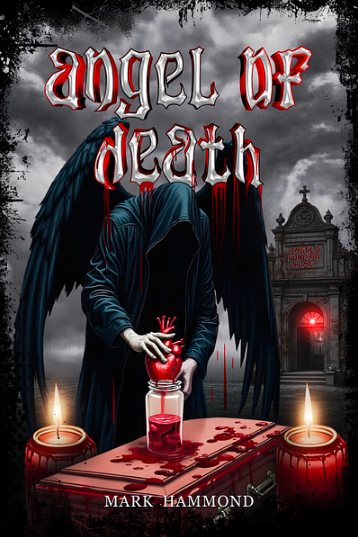
That gradual approach tends to beat sudden shocks, at least in my experience reading this stuff. A reader watching control slip away scene by scene stays anxious longer than one who just gets hit once with a scary image. Slower. But it sticks.
Curious how belief systems play into this same kind of dread? Worth checking: How Faith and Fear Shape Powerful Horror Stories too. It looks at how conviction and doubt feed similar fear responses.
What This Means If You’re Writing or Reading Horror
Next time a story scares you, stop. Ask what the character actually just lost. Probably not a monster reveal. A door that won’t open. A call that won’t connect. Someone who stops believing them.
Writing horror? The lesson’s simple, really. Threaten the reader’s sense of control before you threaten their safety. Emotional dread builds faster than physical danger, and costs less to write. You don’t need elaborate monster design. Just a character who keeps trying to fix things and keeps losing ground anyway, one desperate choice at a time.
That lingering psychological tension is also one reason some horror endings stay with readers long after they finish the book.
Final Thoughts
Horror that actually lasts isn’t built on gore or jump scares. It’s built on slowly, deliberately taking away a character’s options, until helplessness itself becomes the antagonist. Notice that pattern once, and you’ll start seeing it everywhere in the genre. Probably won’t be able to unsee it either.
FAQs
It removes the reader’s ability to predict what happens next, which triggers alertness fast. That uncertainty is exactly why horror writers use it to build unease before anything’s even happened yet.
Loss of agency scares readers more than pure danger, usually. When a character can’t influence what’s happening, anxiety compounds scene by scene. That’s what builds dread that outlasts any single jump scare.
They isolate characters. Limit choices. Introduce threats that follow rules nobody’s explained yet. That forces desperate choices and mental pressure, and readers find it unsettling, even with zero graphic content involved.