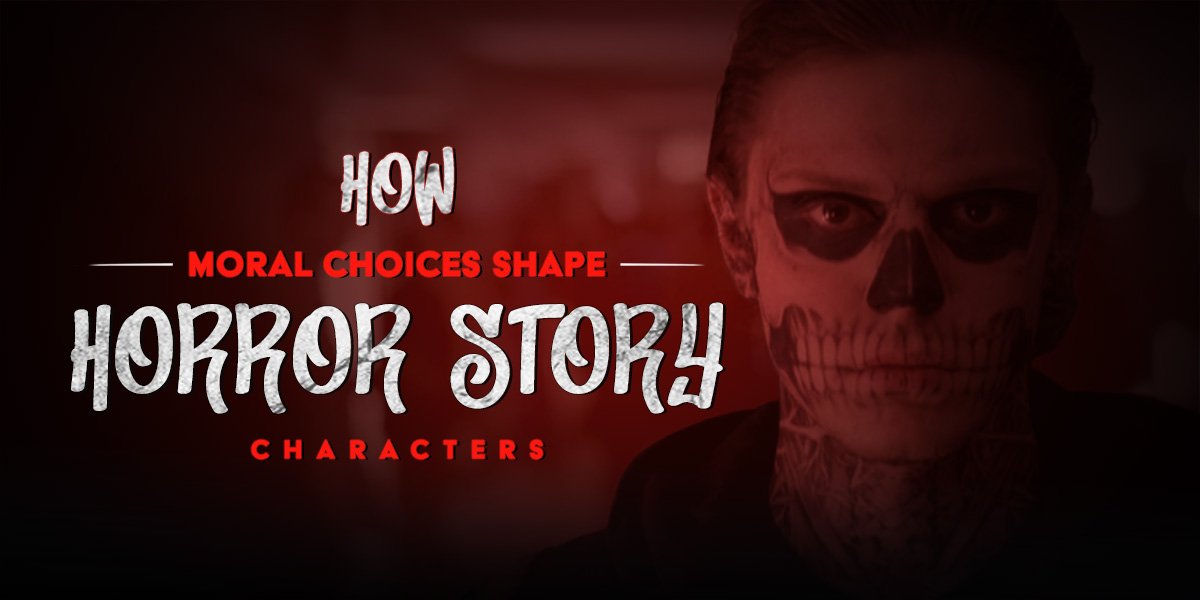
You finish a horror novel. Weeks later, you’re still thinking about one decision a character made. Not the monster. Not the blood. The choice. That’s really what separates forgettable horror story characters from the ones that stick around in your head.
Horror isn’t only about the scares. It also depends on what a character does when there’s no good option left. That’s where the moral weight comes in, and it’s often what makes a character memorable.
What Makes Horror Story Characters Memorable?
Horror story characters become memorable when their choices reveal who they are under pressure. Difficult moral decisions, guilt, fear, loyalty, and survival can give characters greater emotional depth and make their actions feel meaningful within the story.
Why the Choice Matters More Than the Threat
An effective horror character becomes memorable when their decisions carry real moral cost, not just physical danger. A character running from a killer can create tension, but a character choosing between saving themselves or someone else, knowing either choice has consequences, can create deeper emotional impact.
You’ve probably felt this without ever naming it. The horror that actually haunts you, the kind you think about at random moments, often involves someone making a choice they can’t take back. Moral choices in horror work because they force characters to face consequences instead of simply running from whatever is chasing them.
What Actually Builds Complex Horror Story Characters
Complex horror story characters rarely announce their morality upfront. Writers reveal it slowly, usually through pressure. Put someone under enough strain, and their real values just show up. Whether they want that or not.
A few things show up again and again in horror character motivations:
- A character lying to protect someone, then living with what that lie costs later
- Survival instincts overriding a stated moral code, with the character realizing what they’ve done
- Small compromises early on that snowball into something nobody meant to become
- A character justifying one bad decision so they don’t have to face a worse truth
- Loyalty tested against self-preservation, forcing the character to accept the consequences of their choice.
None of this needs a supernatural twist, honestly. The scariest part is usually just watching someone rationalize a choice you’d hope you’d never have to make.
Good Versus Evil Isn’t Always the Right Frame
Here’s something worth sitting with for a second. Good-versus-evil characters can create simple, clear conflicts, but morally complex characters often give horror stories more room to explore difficult choices. The horror protagonists and villains readers actually remember tend to tend to blur that line.
(link)
A villain with a coherent, even flawed, motivation can feel more unsettling because readers can understand the reasoning behind the character’s actions. And a protagonist who does something genuinely wrong under pressure can feel more real than one who stays morally clean throughout the story. Character psychology in horror becomes more interesting when characters aren’t simply good or evil.
This is where ethical dilemmas earn their keep. Not as some moral lesson bolted onto the plot at the end. As the actual thing driving what happens next, scene after scene.
Comparing Character Types in Horror Fiction
| Character Type | Core Driver | Reader Effect |
| Reluctant survivor | Fear-driven decisions under pressure | Sympathy mixed with unease |
| Corrupted protagonist | Guilt and fear compounding over time | Discomfort, moral questioning |
| Rational villain | Twisted but internally consistent logic | Genuine dread |
| Sacrificial figure | Moral consequences accepted knowingly | Emotional weight |
These categories don’t stay fixed for long. You’ll notice that pretty quickly. A reluctant survivor can slide into a corrupted protagonist within a single chapter. That shift, more than any monster reveal, honestly, tends to be what readers remember weeks later.
How This Plays Out in Contemporary Horror Writing
Writers creating believable horror characters today often focus less on what scares a character and more on what they’re willing to sacrifice for something. It may seem like a small shift, but it can significantly affect pacing and character development.
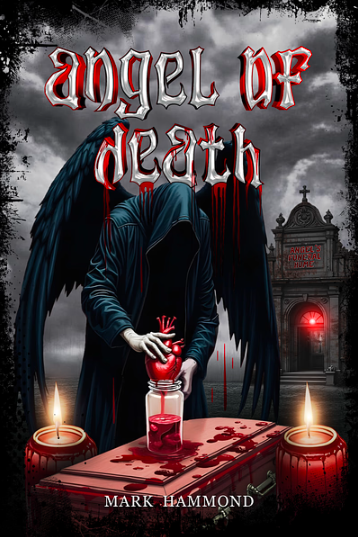
Mark E. Hammond, author of Angel of Death, explores themes of fear, guilt, and difficult choices through the characters and conflicts in the story. These themes show how horror can create tension not only through external threats, but also through the consequences of difficult personal choices.
If narrative structure interests you as much as character does, How Unreliable Narrators Make Horror Stories More Unpredictable covers a related technique worth knowing about too.
What to Look For Next Time You Read Horror
Next time a horror character makes a decision, pause for a second. Ask what it cost them. Not just what it got them.
- Watch for moments where a character justifies something they’d normally condemn
- Notice which relationships survive a character’s worst decision, and which don’t
- Track whether guilt actually changes behavior later, or just gets mentioned once and dropped.
Character decisions in horror often carry more weight than readers realize. Paying attention to them can reveal another layer of tension beneath the scares.
Difficult choices can become even more intense when characters feel they have little control over what happens next. Fear of Losing Control in Horror looks at how helplessness can deepen tension in horror stories.
Final Thoughts
Horror story characters don’t need to be likeable to work. They need to feel believable in the way they respond to fear and pressure. Moral conflict gives readers something more unsettling than a simple monster: the possibility that, under the same circumstances, they might make a similar choice themselves.
FAQs
They make decisions with real costs attached, not just reactions to danger. When a character’s choices reveal something uncomfortable about human nature, readers connect with them even when the character does something wrong.
A villain with internal logic, even when that logic is deeply flawed, can feel more believable because readers can understand what drives the character’s actions.
No. Horror protagonists can remain sympathetic while still making morally difficult choices. That moral erosion can add tension by showing how fear and pressure change a character’s behavior over time.